Featherweight
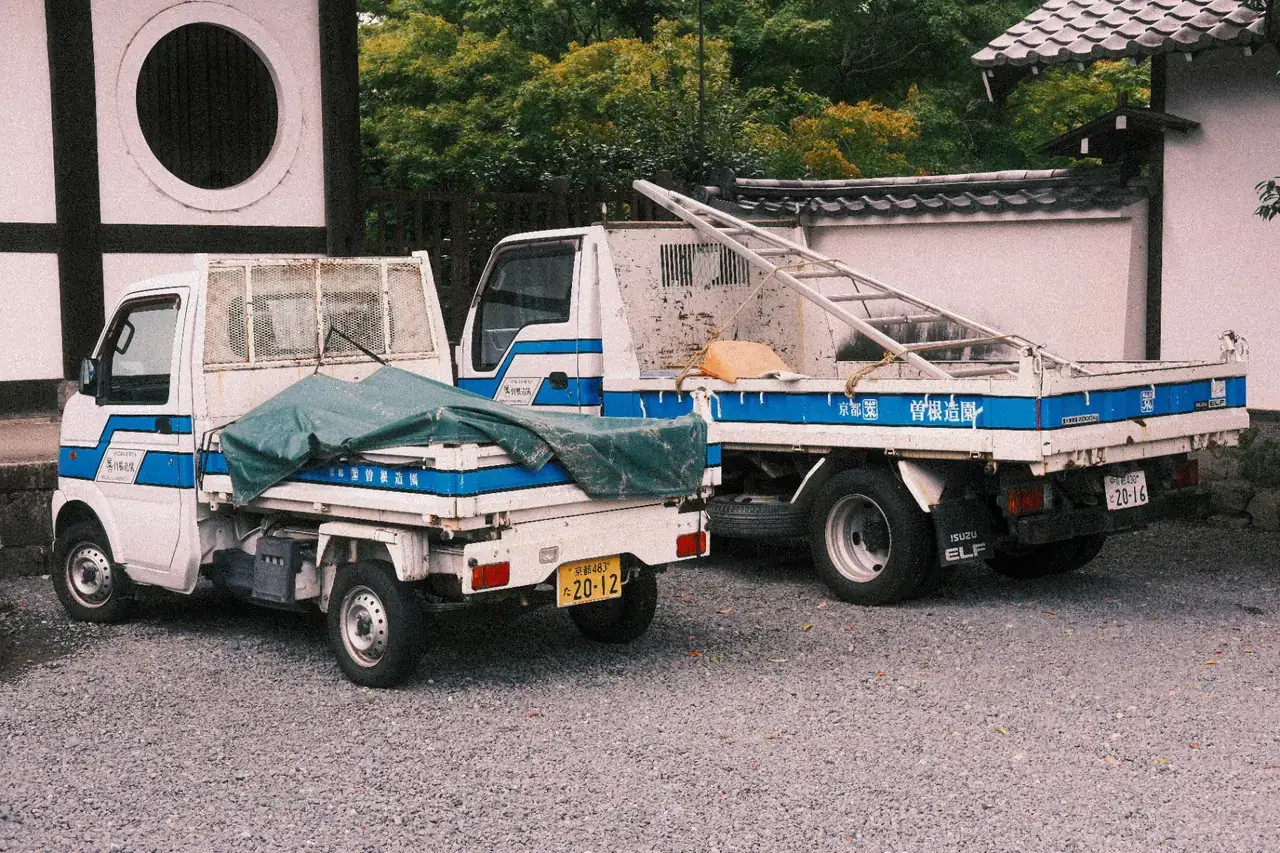
Most Kei trucks and vans tip the scales at 1,500–2,000 lb — about a third of a modern half-ton pickup. Less weight means less wear on tires, brakes, suspension, and the road itself. Easy to push out of soft sand or mud with two friends.
Parks literally anywhere
Under 11 feet long and about 4.5 feet wide. Slide into that half-space at the beach lot, tuck sideways in your carport, fit two of them in a single stall. Parallel parking in Waikiki becomes a party trick.
Sips fuel
660cc engines regularly return 35–45 mpg in real Hawaiʻi driving. Fill-ups are painless — you'll forget what a $90 gas stop feels like.
Cheap and easy to fix
Simple engines, mechanical everything, no CAN-bus wizardry. Common wear parts (filters, plugs, belts, brake pads) are cheap and ship fast. Any decent island mechanic can work on them.
Legit off-road capability
Most Kei trucks and Jimnys ship with selectable 4WD plus low range. The narrow track, short wheelbase and low weight mean they'll go up farm tracks, muddy pineapple roads and beach paths that would beach a full-size truck.
Landed for less
A clean, low-mileage import lands in Hawaiʻi for well under what a used mainland pickup costs — and depreciation is basically flat. These things hold value beautifully.
Deceptively capable payload
That tiny bed still hauls ~800–1,100 lb — enough for a full pallet of mulch, a couple dive tanks and a cooler, or all your surfboards plus the dog.
Lighter footprint
Less fuel burned per mile, less weight on the road, less material in the vehicle itself. And by importing something already built 25+ years ago, you're keeping a great vehicle in service instead of a new one rolling off a factory line.
Character for days
Nobody waves at a modern crossover. Kei trucks get thumbs up at every stoplight. RHD from the driver's seat, tiny dashboards, quirky Japanese details everywhere — driving one is genuinely fun.
Built to last, loved by owners
Japan's brutal shaken inspection system means these vehicles were maintained meticulously their whole first life. You're getting a 30-year-old vehicle that was babied, not beaten.